Coenzyme Q10 for Anti-aging
CAS No.: 303-98-0
What’s the Coenzyme Q10 for Anti-aging?
Coenzyme Q10, also known as ubiquinone or CoQ10, is a fat-soluble, vitamin-like compound that exists naturally in the human body and various foods. It plays a pivotal role in cellular energy production and antioxidant defense, with wide-ranging applications in healthcare, cosmetics, and nutritional supplementation. Below is a comprehensive overview of its properties, functions, and applications:
Basic Properties
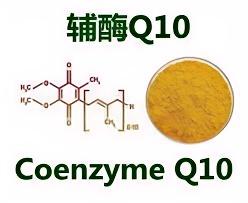
Chemical Identity: Its chemical formula is C₅₉H₉₀O₄, molecular weight is 863.36 g/mol, and CAS number is 303-98-0.
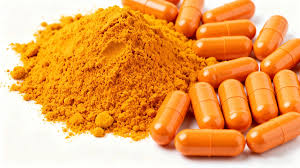
Physical Traits: It appears as a yellow to orange crystalline powder, insoluble in water, soluble in organic solvents. And it is stable under normal storage conditions (but sensitive to high temperatures and strong light).
Biochemical Nature: CoQ10 is present in every cell of the body (with the highest concentrations in energy-intensive organs like the heart, liver, and kidneys). It exists in two forms: the oxidized ubiquinone and the reduced ubiquinol (the latter is the active, antioxidant form in the body).
Core Physiological Functions
1.Cellular Energy Production Co Q10 is a key component of the mitochondrial electron transport chain, where it acts as an electron carrier to facilitate the synthesis of adenosine triphosphate (ATP)—the body’s primary energy currency. Without sufficient CoQ10, cells cannot generate enough energy, leading to fatigue and impaired organ function, especially in high-energy-demand tissues like cardiac muscle.
2. Powerful Antioxidant Defense As an endogenous antioxidant, CoQ10 (especially ubiquinol) scavenges harmful free radicals in cells, protects cell membranes and mitochondrial DNA from oxidative damage, and regenerates other antioxidants (such as vitamin E and vitamin C). It also prevents lipid peroxidation, reducing the risk of oxidative stress-related cellular aging and disease.
3. Cardiovascular Health Support It maintains the structural and functional integrity of cardiac myocytes, improves myocardial energy metabolism, and helps regulate blood pressure by enhancing endothelial function. It also reduces oxidative damage to blood vessels, supporting overall cardiovascular health.
4. Neuroprotective Effects CoQ10 crosses the blood-brain barrier to protect brain cells from oxidative stress and mitochondrial dysfunction, which is crucial for maintaining cognitive function and may help alleviate symptoms of neurodegenerative conditions (e.g., Parkinson’s disease) by supporting neuronal energy supply.
Coenzyme Q10
Application
- Medical Field
Used as an adjunct therapy for heart failure to improve cardiac function. It would reduce symptoms like fatigue and shortness of breath.
Prescribed to manage statins-induced myopathy (statins can lower endogenous CoQ10 levels, causing muscle pain and weakness).
Investigated for its potential role in treating neurodegenerative diseases and mitochondrial disorders due to its neuroprotective and energy-boosting properties. - Nutritional Supplements
Formulated into capsules, softgels, and oral liquids as a dietary supplement for general wellness:
To combat fatigue and boost energy in individuals with low CoQ10 levels.
To support cardiovascular health and reduce the risk of age-related heart issues.
To enhance exercise performance and aid post-workout recovery by improving muscle energy metabolism. - Cosmetics & Skincare
Added to anti-aging serums, creams, and masks for its antioxidant and energy-supplying effects:
Neutralizes free radicals caused by UV radiation and environmental pollution, reducing photoaging (e.g., fine lines, dullness, and pigmentation).
Boosts skin cell metabolism, improves skin firmness, and enhances the skin’s natural barrier function.