Allulose D-Psicose Sweetener
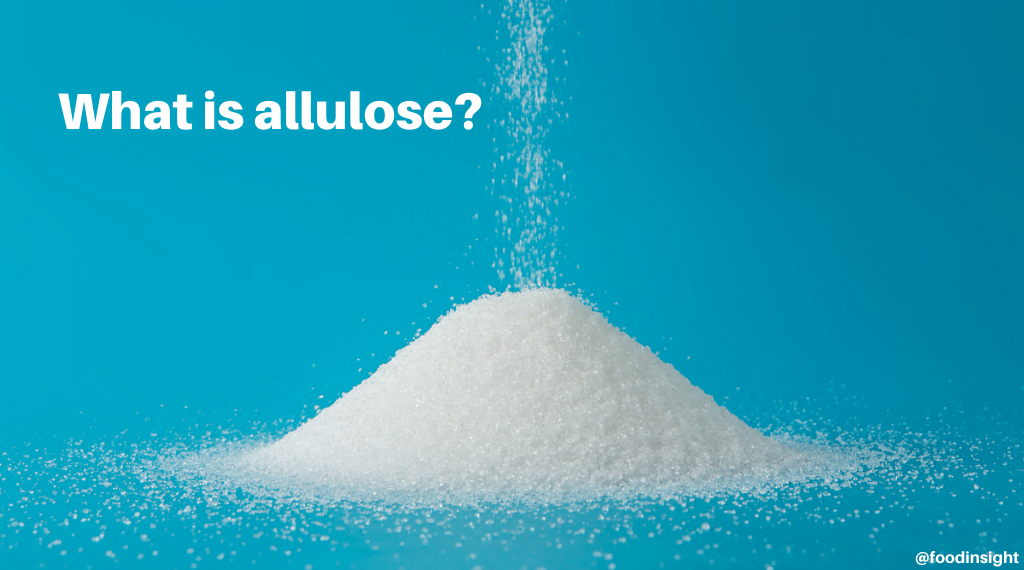
Allulose, is a naturally occurring monosaccharide and rare sugar with the molecular formula C₆H₁₂O₆, structurally a C‑3 epimer of fructose—differing only in the configuration at the third carbon atom.
Character:
1. Low-calorie sugar.
2. No effect on blood sugar .
3. Can be part of a healthy diet .
4. The taste and Texture of sugar, without all the calories.
5. Contributes far fewer calories (approximately 90 percent less) than sugar.
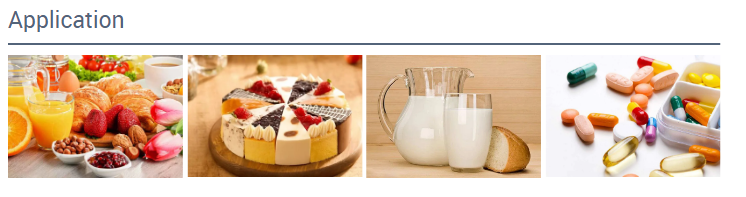
Application:
Food: Sweetener or anti-sticking agent for sugar-free chewing gum, chocolate flavored icing for making ice cream and candies, used in beverages, candies, baking and other foods.
Others: replace glycerin to produce toothpaste, mannitol polyurethane, mannitol anhydride oleate, electrolyte for electrolytic capacitors, good culture medium for certain microorganisms.
How is allulose different from other sweeteners?
Allulose is promoted as tasting better, being lower-calorie and better for people who want to watch their blood sugar, such as those with diabetes.
Similarly, another sugar substitute called stevia offers the same benefits. Stevia is derived from plants.
Allulose is about five to seven times more expensive per ounce than other types of sweeteners. So, if cost is a concern, you may want to consider other, lower-priced sweeteners.
| Product Specification | |
|---|---|
| Product name | Allulose D-Psicose sweetener Psicose |
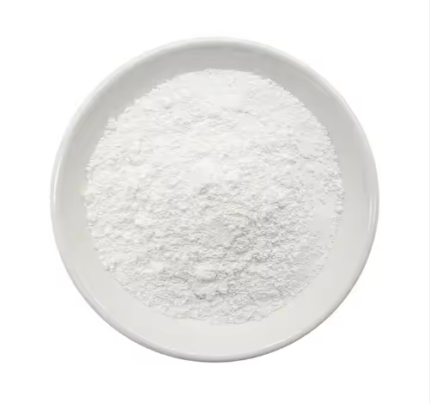
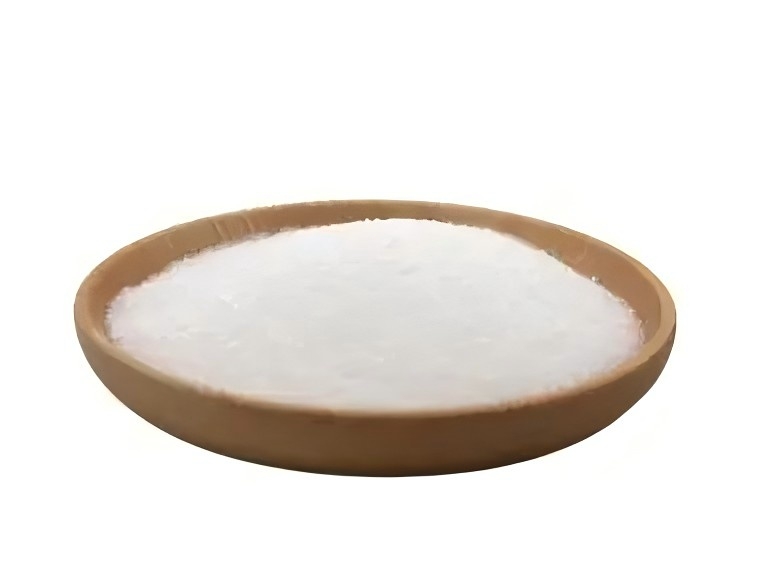
| Appearance | White to nearly white crystalline powder |
| Allulose content | ≥98.5% |
| Moisture | ≤1% |
| PH | 3-7 |
| Ash | ≤0.5(g/100g) |
| Arsenic(As) | ≤0.5(mg/kg) |
| Lead(Pb) | ≤1.0(mg/kg) |
| Total Coliforms (MPN/100g) | ≤30 |
| Mold(CFU/g) | ≤25 |
| Yeast(CFU/g) | ≤25 |
| Pathogen | Negative |
| (Salmonella,Shigella, E.coli, staphylococcus) |