5-Aminolevulinic Acid HCl (5-ALA HCl) for Cosmectics
CAS No.: 5451-09-2
What’s the 5-Aminolevulinic Acid HCl (5-ALA HCl)?
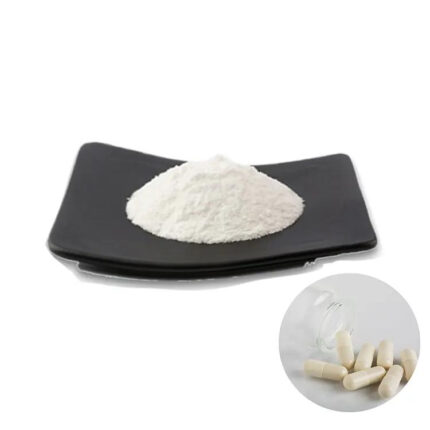
5-Aminolevulinic Acid Hydrochloride, often abbreviated as ALA-HCl, is a substance used in chemical and related fields. It usually appears as a white to off-white crystalline powder. It has certain solubility in water and needs to be stored in a cool, dry place away from light. Its production and use must follow the quality standards and regulatory requirements of the corresponding field.

Basic Properties
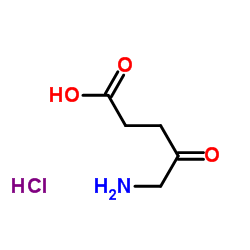
Chemical Identity: Hydrochloride salt of 5-aminolevulinic acid; Chemical formula: C₅H₁₀ClNO₃; Molecular weight: 167.59 g/mol; CAS No.: 5451-09-2.
Physical Traits: White to off-white crystalline powder; highly soluble in water, slightly soluble in methanol, almost insoluble in non-polar solvents (e.g., ether, chloroform); light and heat sensitive; aqueous solutions tend to self-condense under neutral/alkaline conditions.
Biochemical Nature: Endogenous metabolite in humans and plants; key precursor for biosynthesis of porphyrin compounds (e.g., heme, chlorophyll).
Core Application in Cosmetic Field
Added to high-end skincare products, its cosmetic efficacies include:
Anti-aging & Skin Rejuvenation
Efficacy: Stimulates skin cell metabolism and collagen synthesis by regulating porphyrin-mediated redox balance; scavenges free radicals via ROS-regulated antioxidant pathways, reducing oxidative damage to dermal fibroblasts. Delivers the efficacy of improving skin firmness, reducing fine lines, and reversing photoaging (e.g., dullness, pigmentation caused by UV exposure).
Acne Treatment
Efficacy: Targets Propionibacterium acnes (P. acnes) in sebaceous follicles; when activated by blue/red light, it generates ROS to kill P. acnes and reduce sebaceous gland hyperactivity, while reducing inflammatory responses. It has the efficacy of clearing acne lesions, minimizing acne scars, and regulating sebum secretion without disrupting skin microflora.