
Nicotinamide for Cosmectics
CAS No.: 98-92-0
What’s the Nicotinamide for Cosmectics?
Nicotinamide, also known as niacinamide or vitamin B3, is a water-soluble member of the B-vitamin family and an essential nutrient for human physiology. It plays critical roles in energy metabolism, cellular repair, and maintaining overall health, with diverse applications across medicine, cosmetics, and nutrition.

Basic Properties
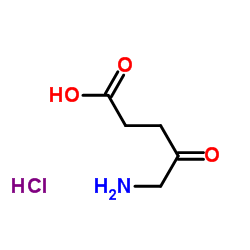
Chemical Identity: Its chemical formula is C₆H₆N₂O, molecular weight is 122.13 g/mol, and CAS number is 98-92-0.
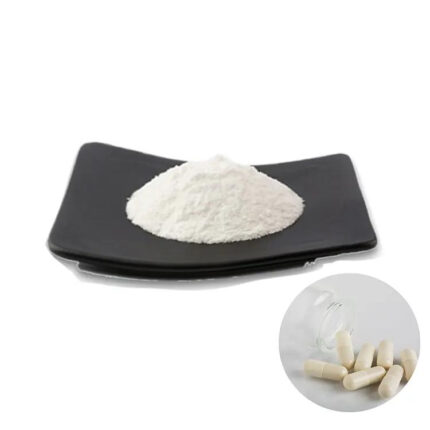
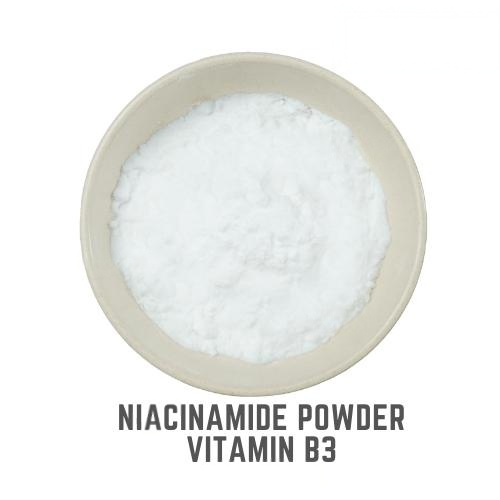
Physical Traits: It appears as a white, crystalline powder with no distinct odor. And it is highly soluble in water and ethanol, and is stable under normal temperature .
Biochemical Nature: Nicotinamide is the active amide form of niacin (vitamin B3). In the body, it is converted into two key coenzymes—nicotinamide adenine dinucleotide (NAD⁺) and nicotinamide adenine dinucleotide phosphate (NADP⁺).
Core Physiological Functions
1.Energy Metabolism Regulation
As a component of NAD⁺ and NADP⁺, nicotinamide participates in the breakdown of carbohydrates, fats, and proteins, facilitating the production of adenosine triphosphate (ATP), the body’s primary energy source. It is vital for maintaining the function of organs with high energy demands, such as the heart, brain, and liver.
2.Cellular Repair & DNA Protection
NAD⁺ supports DNA repair mechanisms by activating enzymes (e.g., sirtuins) that mend damaged genetic material, reducing the risk of mutations and cellular aging. This makes nicotinamide crucial for tissue regeneration and protecting cells from oxidative stress and environmental damage.
Skin Health MaintenanceIt regulates sebum secretion, strengthens the skin’s barrier function, and inhibits the transfer of melanin to skin cells, helping to fade hyperpigmentation (e.g., dark spots and acne scars). Additionally, it reduces inflammation, making it effective for soothing acne-prone or sensitive skin.
3.Nervous System & Cardiovascular Health
It supports the health of nerve cells by maintaining neurotransmitter balance and blood flow to the brain, potentially reducing the risk of neurodegenerative conditions. It also helps lower LDL (“bad”) cholesterol and triglyceride levels, supporting cardiovascular health and preventing niacin deficiency-related disorders like pellagra (characterized by dermatitis, diarrhea, and dementia).
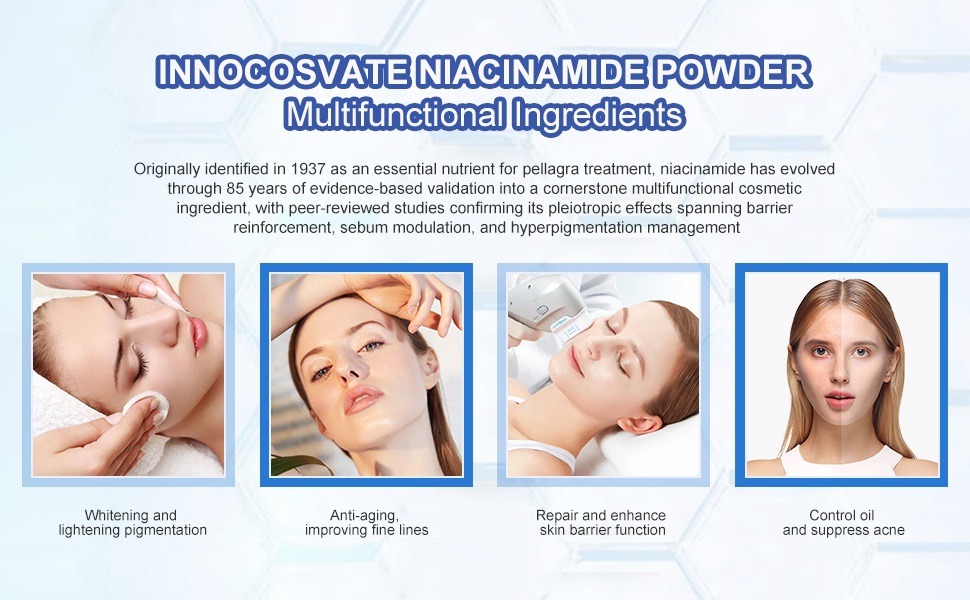
Cosmetics & Skincare Application
- A staple in topical skincare products (serums, creams, toners), it addresses multiple concerns:
Fades dark spots and evens skin tone. - Reduces acne by regulating sebum and calming inflammation.
- Boosts skin hydration and strengthens the stratum corneum to prevent moisture loss.
- Minimizes fine lines by supporting collagen synthesis and reducing oxidative damage.